
Business
How to understand your employees and keep them happy
Quis autem vel eum iure reprehenderit qui in ea voluptate velit esse quam nihil molestiae consequatur, vel illum qui dolorem eum.


At vero eos et accusamus et iusto odio dignissimos ducimus qui blanditiis praesentium voluptatum deleniti atque corrupti quos dolores et quas molestias excepturi sint occaecati cupiditate non provident, similique sunt in culpa qui officia deserunt mollitia animi, id est laborum et dolorum fuga.
Quis autem vel eum iure reprehenderit qui in ea voluptate velit esse quam nihil molestiae consequatur, vel illum qui dolorem eum fugiat quo voluptas nulla pariatur.
Temporibus autem quibusdam et aut officiis debitis aut rerum necessitatibus saepe eveniet ut et voluptates repudiandae sint et molestiae non recusandae. Itaque earum rerum hic tenetur a sapiente delectus, ut aut reiciendis voluptatibus maiores alias consequatur aut perferendis doloribus asperiores repellat.
Lorem ipsum dolor sit amet, consectetur adipisicing elit, sed do eiusmod tempor incididunt ut labore et dolore magna aliqua. Ut enim ad minim veniam, quis nostrud exercitation ullamco laboris nisi ut aliquip ex ea commodo consequat.
“Duis aute irure dolor in reprehenderit in voluptate velit esse cillum dolore eu fugiat”
Nemo enim ipsam voluptatem quia voluptas sit aspernatur aut odit aut fugit, sed quia consequuntur magni dolores eos qui ratione voluptatem sequi nesciunt.
Et harum quidem rerum facilis est et expedita distinctio. Nam libero tempore, cum soluta nobis est eligendi optio cumque nihil impedit quo minus id quod maxime placeat facere possimus, omnis voluptas assumenda est, omnis dolor repellendus.
Nulla pariatur. Excepteur sint occaecat cupidatat non proident, sunt in culpa qui officia deserunt mollit anim id est laborum.
Sed ut perspiciatis unde omnis iste natus error sit voluptatem accusantium doloremque laudantium, totam rem aperiam, eaque ipsa quae ab illo inventore veritatis et quasi architecto beatae vitae dicta sunt explicabo.
Neque porro quisquam est, qui dolorem ipsum quia dolor sit amet, consectetur, adipisci velit, sed quia non numquam eius modi tempora incidunt ut labore et dolore magnam aliquam quaerat voluptatem. Ut enim ad minima veniam, quis nostrum exercitationem ullam corporis suscipit laboriosam, nisi ut aliquid ex ea commodi consequatur.







Business
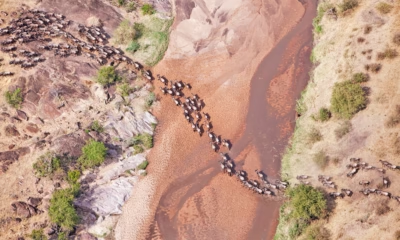
Discovering South Africa’s Garden Route: A Scenic Coastal Wonder Worth Exploring
The Garden Route is a renowned coastal region in southern South Africa named for its verdant vegetation, lagoons, indigenous forests, and estuaries along the Indian Ocean

South Africa’s Garden Route is one of the country’s most celebrated travel experiences — a spectacular coastal corridor where lush forests meet wild beaches, charming towns dot the shoreline, and adventure awaits at almost every turn. Stretching over approximately 300 kilometres from Mossel Bay in the Western Cape to Storms River in the Eastern Cape, this scenic drive blends natural beauty, outdoor activities, culture, and relaxation into one unforgettable journey.
What Is the Garden Route?
The Garden Route is a renowned coastal region in southern South Africa named for its verdant vegetation, lagoons, indigenous forests, and estuaries along the Indian Ocean. It encompasses a mix of rugged landscapes — from dense forests and lagoons to sandy beaches and dramatic mountain passes. The route includes towns such as George, Knysna, Plettenberg Bay, and Wilderness, each offering distinct experiences for travellers.
Why It’s a Must-Visit Travel Destination
The appeal of the Garden Route lies in its diversity. Whether you’re a nature enthusiast, adventure seeker, family traveller, or culture lover, there’s something here for everyone:
-
Breathtaking Landscapes: Drive along winding coastal roads framed by the Indian Ocean on one side and lush vegetation on the other.
-
Outdoor Adventures: Hike the famous Otter Trail, explore indigenous forests in Tsitsikamma National Park, or enjoy water sports like kayaking, surfing, and paddleboarding.
-
Wildlife Experiences: Look out for dolphins and whales off Plettenberg Bay’s coast, and consider an add-on safari at Addo Elephant National Park, home to elephants, lions, rhinos, and more.
-
Charming Towns and Culture: Visit lively towns like Knysna for its bustling waterfront and oysters, or Wilderness for tranquil beaches and bird-watching spots.
Top Stops Along the Route
1. Mossel Bay
Often considered the starting point, this historic seaside town features whale-watching, beaches, and adventure activities.
2. Knysna
Known for its scenic lagoon and vibrant town centre, Knysna is ideal for dining, shopping, and water-based excursions.
3. Plettenberg Bay
A standout destination for beach lovers, Plettenberg Bay boasts long sandy stretches, marine life sightings, and outdoor adventure options.
4. Tsitsikamma National Park
Renowned for its indigenous forests and dramatic coastlines, this area is perfect for hiking, ziplining, and nature immersion.
5. Addo Elephant National Park
A short detour from the eastern end of the route, Addo offers one of the best Big Five safari experiences — especially for first-time visitors.
Best Time to Visit
The Garden Route can be visited year-round, but spring (September–November) and autumn (March–May) are especially pleasant. These seasons offer mild weather and better chances to spot migrating whales along the coast.
How to Travel the Route
Many travellers choose to self-drive the route, starting from either Cape Town or George. Renting a car gives you the freedom to stop at scenic viewpoints, explore hidden gems, and control your pace. Guided tours are also available for those who prefer structured itineraries.
Final Thoughts
South Africa’s Garden Route isn’t just a road trip — it’s a full-scale travel experience that brings together the best of nature, culture, and adventure. Whether you’re soaking up sun on pristine beaches, exploring forests teeming with wildlife, or discovering local livelihood in coastal towns, this scenic stretch is worthy of a spot on every traveller’s bucket list.
Business
Rethinking Safaricom’s Future: Value Creation, National Interest, and the Global Capital Question
Safaricom’s future should be shaped by deliberate strategy, not political soundbites or short-term market excitement.
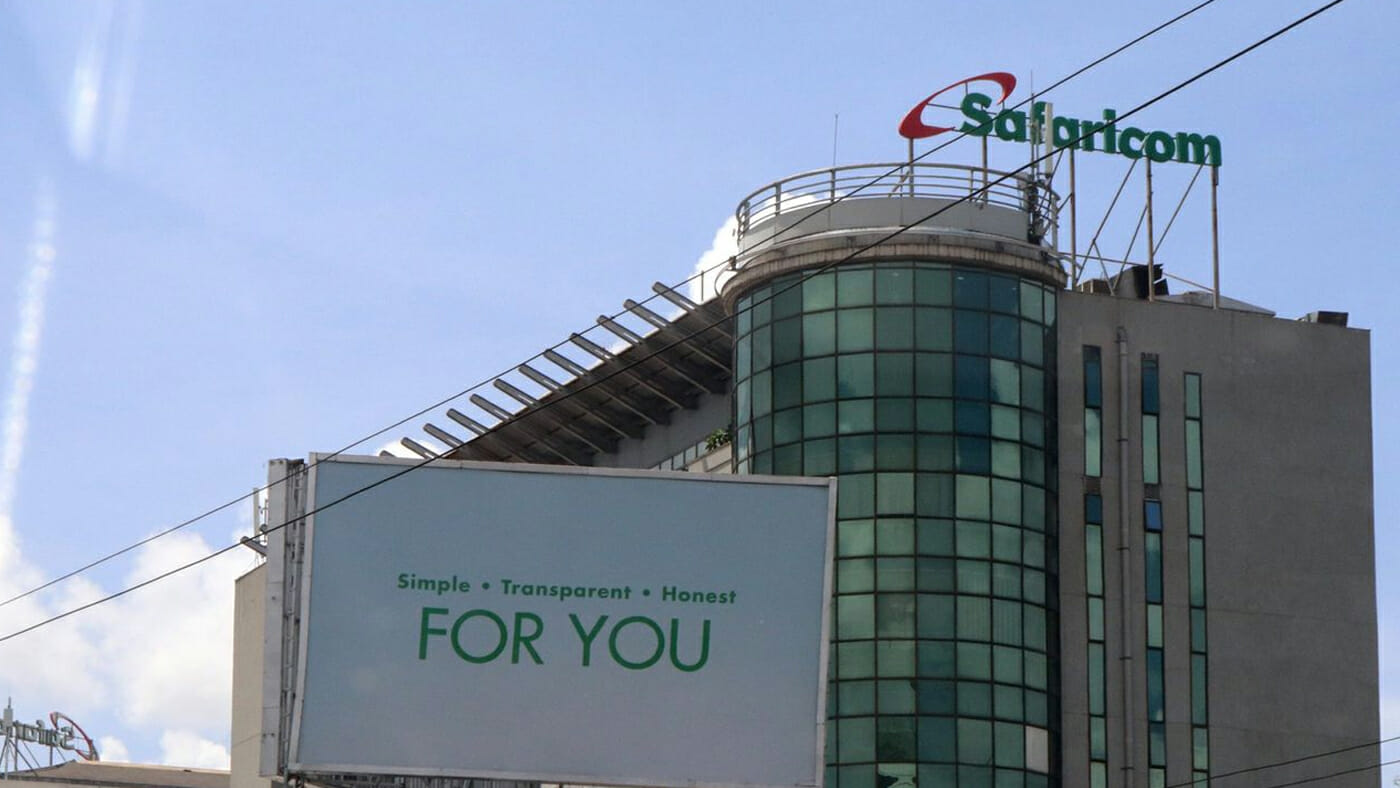
A recent public statement by Ndindi Nyoro has stirred a necessary conversation about the long-term structure and valuation of Safaricom. The proposal—either separating Safaricom’s telecom and fintech businesses or pursuing a listing on the London Stock Exchange—touches a nerve because it challenges how Kenya treats its most strategic corporate asset.
This is not merely a corporate finance debate. It is a question about how Kenya positions its flagship companies in a world where capital, technology, and competition are increasingly global.
Safaricom Is No Longer “Just” a Telco
Safaricom has evolved into a multi-layered platform:
-
A national communications backbone
-
A digital payments and financial services ecosystem
-
A key enabler of SMEs, government services, and household transactions
Housing these businesses under one corporate umbrella has delivered scale and resilience. However, it may also be masking the true value of each line of business. Global investors tend to discount conglomerates when growth profiles and risk characteristics differ significantly within the same company.
The Case for Separation: Clarity Over Complexity
Separating telecom operations from fintech would create two fundamentally different companies:
-
Telecom: Capital-intensive, regulated, predictable cash flows.
-
Fintech: Technology-driven, faster growth, regionally scalable, and often valued at higher multiples.
From an investor’s perspective, clarity matters. A focused fintech entity could pursue partnerships, innovation, and expansion without being weighed down by infrastructure economics. Conversely, a standalone telecom business could be valued for stability and dividends rather than growth expectations.
That said, separation is not without cost. Operational dependencies, shared data, and integrated customer journeys would need careful re-engineering. A rushed split could destroy more value than it creates.
The Global Listing Argument: Visibility and Price Discovery
Listing Safaricom on a global exchange such as London would dramatically increase its exposure to international capital. It would place the company alongside global peers rather than limiting valuation benchmarks to regional markets.
Potential benefits include:
-
Access to deeper and more diverse investor pools
-
Improved price discovery
-
Enhanced global credibility
However, global visibility comes with trade-offs. Kenya would need to manage concerns around local investor dilution, currency exposure, and the optics of a national champion being priced primarily outside its home market.
Safaricom and the National Economy
Safaricom occupies a unique position in Kenya:
-
It supports government revenue streams
-
It underpins financial inclusion
-
It acts as critical digital infrastructure
Because of this, decisions about its structure cannot be made on valuation alone. Any restructuring must align with national policy objectives, regulatory capacity, and public confidence.
This is where the debate becomes nuanced: maximizing shareholder value must be balanced against safeguarding systemic importance.
A More Measured Way Forward
Rather than choosing between an immediate split or a foreign listing, Kenya could consider incremental steps:
-
Ring-fence fintech operations with separate financial reporting
-
Introduce partial spin-offs while retaining strategic control
-
Explore dual listings to protect domestic participation
-
Strengthen disclosures to reduce valuation opacity
Such an approach allows the market to test assumptions without placing the entire institution at risk.
Conclusion: A Debate Worth Having—Carefully
The ideas being discussed are not radical by global standards. Similar strategies have unlocked value in other markets. The danger lies not in questioning Safaricom’s structure, but in oversimplifying the solution.
Safaricom’s future should be shaped by deliberate strategy, not political soundbites or short-term market excitement. If Kenya gets this right, it can demonstrate that African champions do not have to choose between national relevance and global ambition—they can achieve both.
Business
Safaricom Launches First Bond Under Its Sh40 Billion Medium-Term Note Programme
Investors who wish to review the full details—including the Information Memorandum and subscription forms—can find all documents on Safaricom’s Investor Relations website.
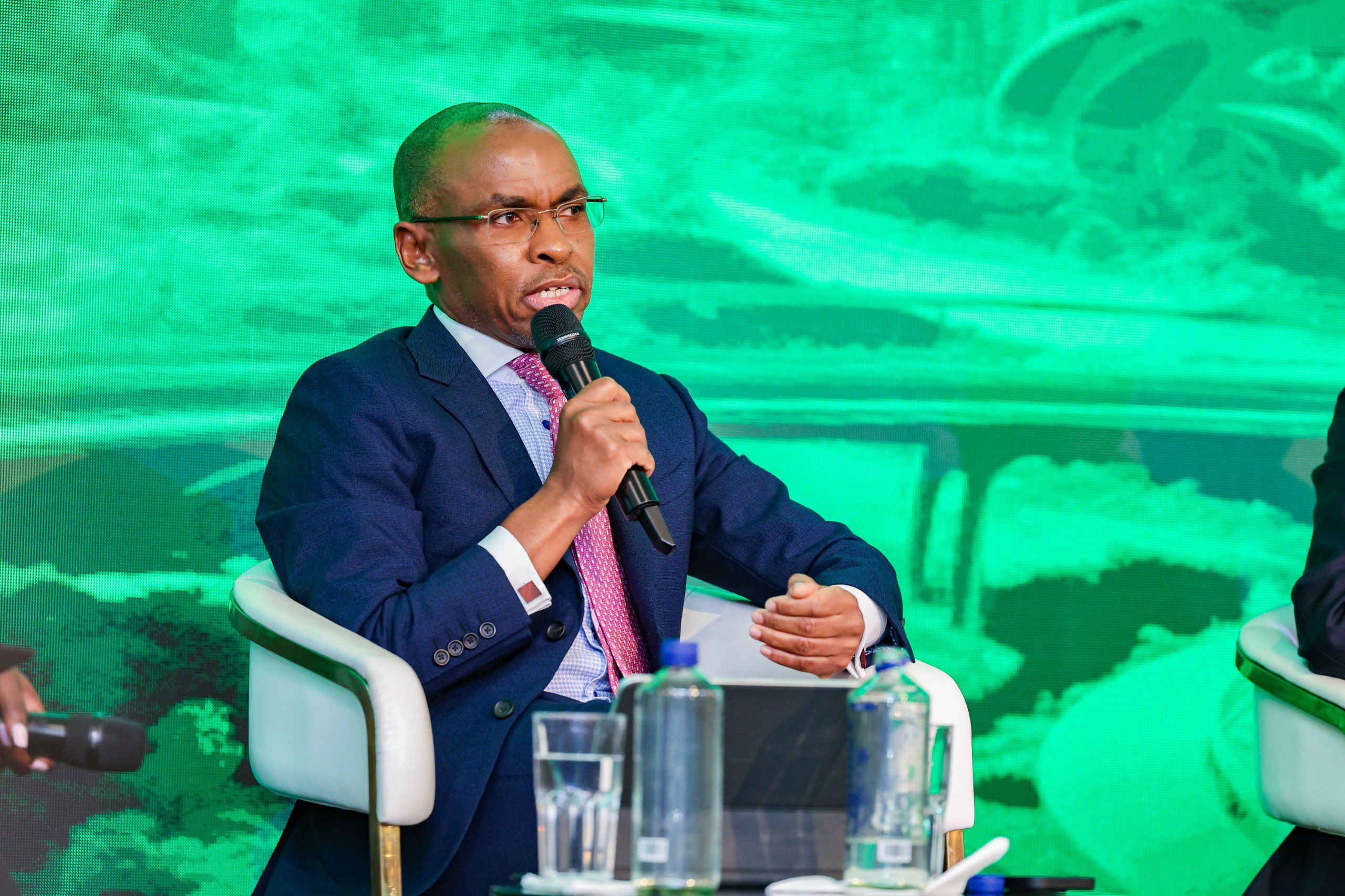
Safaricom has entered a new phase in its fundraising strategy with the launch of its first bond under the Sh40 billion Domestic Medium Term Note Programme. The inaugural issuance is a Green Bond valued at up to Sh15 billion, offering Kenyans an opportunity to invest in environmentally focused projects while earning a predictable return.
Understanding What You Are Investing In
A bond operates on a simple principle: you lend money to a company for a set period, and in return, the company pays you a fixed interest rate until the bond matures. When the maturity date arrives, you receive your full principal amount back.
A Green Bond follows the same model, but the funds raised are committed exclusively to projects that support environmental sustainability.
Safaricom has confirmed that all proceeds from this first tranche will be directed into initiatives outlined under its Eligible Green Projects portfolio.
Inside the First Tranche Offer
The debut tranche is designed with accessibility in mind, making it open to the general public. Safaricom intends to raise up to Sh15 billion, with a Sh5 billion greenshoe option available if investor demand exceeds the initial target.
The bond carries a five-year tenor and offers an annual interest rate of 10.40%, allowing investors to enjoy a stable and transparent return throughout the investment term.
How to Participate in the Offer
Investing in the bond is straightforward for anyone with a CDS account. Applications can be made through any of the following channels:
-
Dial *483*810# on your mobile phone
-
Use the dedicated online e-offer portal
-
Visit a licensed stockbroker for assistance
The minimum investment amount is Sh50,000, with any additional investments made in increments of Sh10,000.
How Safaricom Will Use the Funds
All capital raised from this bond will go towards approved green initiatives outlined in Safaricom’s Sustainable Finance Framework. These include projects related to:
-
Clean and renewable energy
-
Climate resilience
-
Environmental conservation
-
Other sustainability-focused ventures
Investors seeking more details can access the full framework through the investor relations section on Safaricom’s website.
A Tax Benefit for Investors
One notable advantage is that interest earned from certified green bonds in Kenya is generally exempt from tax. This means investors will receive the full 10.40% interest annually without any withholding tax deductions, improving their overall return.
Important Dates to Note
The offer is open from November 25, 2025, and will close on the evening of December 5, 2025. Once subscriptions are completed and allocations finalized, the bond will be listed on the Nairobi Securities Exchange (NSE) on December 16, 2025, allowing investors to trade it on the secondary market.
Where to Find the Official Documents
Investors who wish to review the full details—including the Information Memorandum and subscription forms—can find all documents on Safaricom’s Investor Relations website. These documents outline the legal and financial terms governing the bond.
Key Institutions Involved
The bond programme has been approved by the Capital Markets Authority (CMA).
The issuance is being facilitated by:
-
SBG Securities
-
Stanbic Bank Kenya
-
Standard Chartered Bank Kenya
These institutions are acting as joint lead arrangers and advisers, supported by legal and financial experts.
What Comes Next for the Programme
While this first tranche focuses on environmental projects, Safaricom’s broader Sh40 billion note programme gives the company flexibility to issue other forms of sustainable instruments in future. Depending on funding requirements, subsequent tranches may include Social Bonds or Sustainability Bonds, enabling Safaricom to support an even wider range of impact-driven projects.

Discovering South Africa’s Garden Route: A Scenic Coastal Wonder Worth Exploring

Ugandan Opposition Leader Kizza Besigye Hospitalized as Political Tensions Rise

Rethinking Safaricom’s Future: Value Creation, National Interest, and the Global Capital Question

-

 Fashion9 years ago
These ’90s fashion trends are making a comeback in 2017
-

 Entertainment8 months ago
In Memoriam: Sally Kirkland (1941-2025)
-
 Business6 months ago
Discovering South Africa’s Garden Route: A Scenic Coastal Wonder Worth Exploring
-

 Entertainment6 months ago
The Carter Efe–Elma Controversy: Allegations, Accountability, and the Line That Must Not Be Crossed
-
Sports9 years ago
Boxing continues to knock itself out with bewildering, incorrect decisions
-
Sports9 years ago
Steph Curry finally got the contract he deserves from the Warriors
-

 Business8 months ago
Safaricom Launches First Bond Under Its Sh40 Billion Medium-Term Note Programme
-

 Education9 months ago
The Top 10 Best Primary Schools in Kenya: A Comprehensive Guide for Parents